

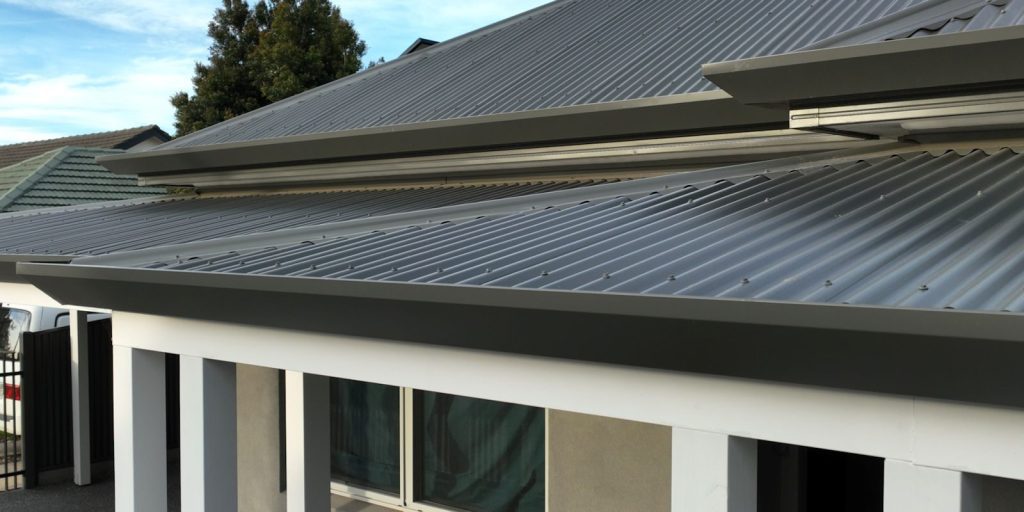
Can You Replace a Roof Without Replacing the Gutters?
If you’re planning a new roof, you might be wondering whether the gutters have to come off with it. In most cases they don’t. You can replace a roof without replacing the gutters, as long as the existing gutters are secure, watertight, draining properly, and suited to the new roof.
If they’re rusted, leaking, sagging, or overflowing, that’s a different story. A new roof won’t fix failing gutters; it’ll just sit above them while the same water problems carry on. Gutters move the water off your roof and away from the house, so it makes sense to check them before the roof work starts, not after.
In the rest of the blog, we’ll cover when your gutters can stay, when they’re worth replacing, and what a roofer checks before making the call.
Quick Guide: Should You Replace the Gutters Too?
| Situation | Recommended Action | Why It Matters |
|---|---|---|
| Gutters are fairly new, secure, and drain well | Keep the existing gutters | If they’re working properly, they don’t need to be replaced just because the roof is being replaced. |
| Gutters have rust, holes, or leaks | Replace the gutters | Damaged gutters can continue to cause water issues, even after a new roof is installed. |
| Gutters are sagging or pulling away | Inspect and likely replace | This can point to problems with the gutters, fascia, or fixings that should be addressed before the new roof is completed. |
| Gutters overflow during rain | Inspect the gutter and downpipe system | Overflow can mean the gutters, downpipes, or drainage setup aren’t handling water properly. |
| You are switching from tiles to COLORBOND® Roofing | Check compatibility before deciding | The existing gutters need to suit the new roof profile, roof edge, and water flow. |
| Gutters are old but still working | Inspect before deciding | They could still be usable, but replacement is often more practical if they’re nearing failure. |
| Roof and gutters are both ageing | Consider replacing both together | Completing both at the same time can reduce future disruption and create a cleaner roofline. |
When Can You Keep Your Existing Gutters?
You can keep your existing gutters during a roof replacement in Adelaide if they’re still in good working condition.
As a general guide, your gutters can stay if:
- There’s no visible rust, corrosion, or cracking.
- They don’t leak at joints, corners, or end caps.
- They sit firmly against the fascia.
- Water flows towards the downpipes without pooling.
- The downpipes are clear and working properly.
- The gutter profile suits the new roof.
- The colour and finish still suit the home.
If the gutters were replaced recently and are performing well, your roofing contractor can usually work around them during the roof replacement.
When Should Gutters Be Replaced With the Roof?
A roof replacement is a good time to check whether the guttering is still doing its job. Once roofing work begins, the roof edge, fascia, flashings, and drainage points can be inspected more closely.
You should consider gutter replacement if you notice:
- Rust spots, holes, or corrosion.
- Leaking joints or corners.
- Gutters sagging or pulling away.
- Water overflowing during rain
- Water stains around the eaves or fascia
- Standing water inside the gutter
- Downpipes that struggle during heavy rain
- Guttering that looks worn, faded, or mismatched with the new roof.
If the gutters are already near the end of their life, replacing them with the roof is often the more practical long-term choice. It avoids leaving an old drainage system attached to a new roof.
Why Roofs and Gutters Should Be Checked Together
Your roof collects rainwater and directs it towards the gutters. The gutters then carry that water into the downpipes and away from the home.
If the gutters aren’t working properly, water can overflow during heavy rain, run behind the gutter, damage fascia boards, stain exterior walls, pool around the home, and contribute to moisture problems around the roofline.
This is why guttering should be checked before a roof replacement starts. A new roof still needs gutters that can move that water away.
What If You're Switching to COLORBOND® Roofing?
If you’re changing from tiles to COLORBOND® Roofing, the gutters should be checked before the job begins.
COLORBOND® steel is lighter than tiles, low-maintenance, and available in a wide range of colours. A tile to COLORBOND® roof replacement can also change the look and details of the roofline, so the existing gutters need to suit the new roofing profile.
Before confirming whether the gutters can stay, your contractor should check:
- Roof pitch
- Gutter position
- Flashing details
- Downpipe layout
- Water flow from the new roof into the gutters
A new COLORBOND® roof can improve kerb appeal, but old or mismatched gutters can make the finished roofline look incomplete. If the gutters are already worn or unsuitable, replacing them at the same time usually gives a neater finish and avoids leaving old gutters on a new roof.
Is It Better to Replace the Roof and Gutters Together?
Replacing the roof and gutters together is often the better option when both systems are ageing.
Doing the work together makes it easier to match the roof and gutter colours, choose a gutter profile that suits the new roof, and check the fascia before the new system goes in. It also lets you plan water flow from the roof to the downpipes and avoid a second round of access, labour, and site setup later on.
That doesn’t mean every roof replacement needs new gutters. If the gutters are still in good condition, they can remain in place.
What Will a Roofing Contractor Check?
Beyond the visible signs above, your contractor should inspect:
- The age and condition of the gutters
- Gutter fall and alignment
- Fascia condition behind the gutters
- Downpipe size and position
- Roof pitch and roof area
- Flashings around the roof edge
- Whether the gutter profile suits the new roof
This gives you a clear answer before work begins. It also helps avoid unnecessary replacement of gutters if the current system is still suitable.
So, Should you replace the gutters too?
The answer depends on the condition of your existing gutters.
If they’re sound, watertight, and suited to the new roof, they can stay. If they’re near the end of their life or no longer draining properly, replacing them alongside the roof is the more practical choice.
If you’re unsure, speak with experienced roof replacement contractors in Adelaide before the roof work begins. A proper inspection will show what needs to be replaced now and what can safely stay in place.
Speak With a Locally Owned Adelaide Roofing Team
Planning a new roof and unsure whether your gutters should be replaced too? Ultimate Roofing & Guttering can inspect your roofline, check the condition of your gutters, and recommend the most practical option for your home.
Whether you’re looking at roof replacement in Adelaide, considering COLORBOND® Roofing, or need advice on gutter replacement, our locally owned Adelaide team can provide straightforward guidance before the work begins.
Contact Ultimate Roofing & Guttering today to arrange an inspection and get practical advice for your roof and guttering system.