

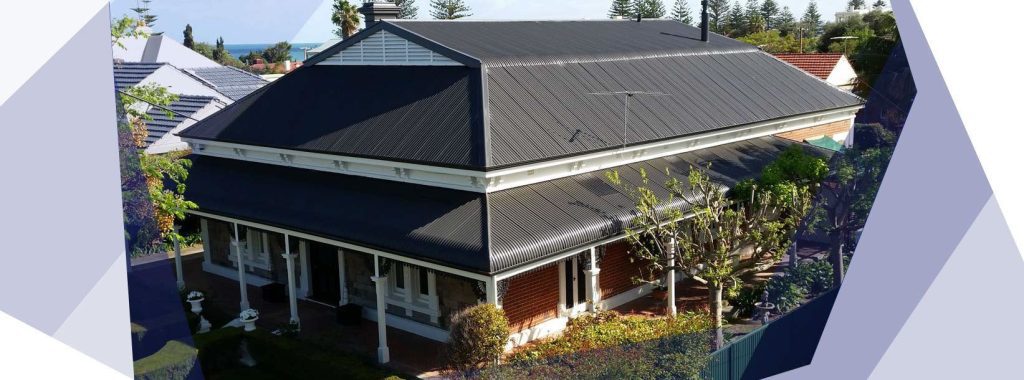
Why Now is the Perfect Time to Upgrade Your Roof
If you’re in Adelaide and your roof is due for a re-roof or a full roof replacement, there will be two main options of roofing material for you to choose from: COLORBOND® steel or roof tiles. Both look great from the street. Both can do the job. But which one is exactly right for you?
In this guide, we’ll break down COLORBOND® steel vs roof tiles, cover the real-world pros and cons, and help you decide which option is likely to be the better fit.
1. What is COLORBOND® Roofing?
COLORBOND® is a steel roof system. Instead of laying hundreds of individual tiles down, the roof goes on in long sheets of steel that are fixed down with a specialised roof screw and finished off with the right cappings and flashings to create a sealed roofing system to disperse the water into the gutters and downpipes to carry water away properly.
It’s a common pick for new builds and re-roofs in Australia because it gives you a clean finish and, for many homeowners, less day-to-day maintenance than an ageing tiled roof.


Pros of COLORBOND® Roofing
- Lightweight
COLORBOND® is much lighter than tiles. That can be a big advantage when the existing roof structure is older, or if you’re trying to reduce load on the framing. - Designed for Australian Conditions
COLORBOND® is specifically designed, produced, and refined to Australian Standards for over 50 years by BlueScope to withstand harsh Australian weather and environmental conditions. - Fewer Joints, Fewer Weak Points
Metal sheets generally require fewer overlaps than a tiled roof. Fewer joins often translates to fewer opportunities for water ingress (especially in heavy rain and wind). - Low Maintenance
No cracked tiles, no dislodge tiles, and less ongoing patchwork. Routine checks still matter, but metal roofs often need fewer repairs over the long run. - Clean, Modern Finish
COLORBOND®’s sleek lines and extensive colour variety suit contemporary homes beautifully, pairing well with modern gutters and fascia systems.
Cons of COLORBOND® Roofing
- Noise
If insulation and sarking are poor (or missing), metal can sound louder during rain. However, this is usually very manageable with a properly built roof system. - Denting In Extreme Hail
Metal roofing can dent in severe hail. It doesn’t always impact performance, but it may affect appearance. - Coastal Considerations
If you’re in a more exposed area (such as near the sea), choosing the right product specification and using the correct fixings and detailing becomes even more important to prevent salt corrosion. A roofing specialist can advise on the best approach for your address.
If you’re in a more exposed area (such as near the sea), choosing the right product specification and using the correct fixings and detailing becomes even more important to prevent salt corrosion. A roofing specialist can advise on the best approach for your address.
What Are Roof Tiles (Tile Roofing)?
Roof tiles are individual roofing units laid in overlapping rows. In Australia, most tiled roofs are either:
- Concrete tiles: popular, cost-effective, available in many profiles and colours.
- Terracotta tiles: classic look, colour baked through, often associated with heritage or Mediterranean styles.
Tiles can last a long time, but because they’re made of many separate pieces, they’re more prone to movement over the years, which may require more frequent maintenance.
Pros of Tiled Roofing
- Timeless Aesthetic
Tiles have texture and character that many homeowners love, especially for traditional or heritage-style homes. - Naturally Quieter
Tiles dampen sound more than metal by default, which some homeowners strongly prefer. - Individual Repairs Are Possible
If a tile cracks or dislodges, you can often replace that specific tile, assuming you can source the same tile (or a close match).
Cons of Tiled Roofing
- Cracks and Movement Over Time
Tiles can crack from impact, age, roof movement, or even foot traffic. Once tiles shift, you can start getting leaks, especially in between the seams. - Heavier Roof Load
Tiles are heavy. That’s not an automatic deal-breaker, but it can matter if the roof structure is ageing, has sagging, or you’re planning a major re-roof. - Higher Maintenance
Ridge capping, pointing, rebedding, cracked tiles, and recurring leaks are common reasons Adelaide homeowners eventually move away from tiles.
So…Is COLORBOND® Roofing Better Than Tiles?
The answer really depends on your own preferences. For many homeowners, COLORBOND® often comes out ahead if you prioritise:
- lower ongoing maintenance
- fewer leak-prone joins
- lighter roof weight
- a modern look
- faster installation time during a reroof
That said, tiles remain a strong choice if you prioritise:
- a classic, textured roofline
- naturally quieter performance
- staying consistent with the home’s original style
In other words, the “better” roof depends on your goals. If you want a roof that’s typically simpler to maintain long-term, COLORBOND® is often the practical winner. If you want that traditional aesthetic and don’t mind periodic upkeep, tiles can still be a great option.
COLORBOND® vs Roof Tiles: Quick Comparison
Not sure which option suits your home the best? The table below gives a quick side-by-side so you can see where COLORBOND® or tiles comes out ahead.
| Feature | COLORBOND® | Roof Tiles |
|---|---|---|
| Weight | Lightweight, less strain on roof structure. | Heavy, higher roof load (not ideal if structure is ageing/sagging) |
| Maintenance | Lower; long lasting and requires very minimal maintenance, occasional check of silicone around roofing penetrations | Higher; tiles can crack, shift, and need periodic attention |
| Noise | Can be louder if not installed with an acoustic roof insulation | Naturally quieter. |
| Lifespan | Often 50+ years. | Often 40–50+ years. |
| Installation Time | Usually faster to install (large sheet coverage). | Usually slower to install (tiles are laid individually) |
| Repair | Generally lower with fewer recurring repairs | Generally higher; cracked tiles and ridge issues are common over time |
| Best For | Modern look, low maintenance. | Classic look, quieter homes. |
What a Tile-to-COLORBOND® Conversion Can Solve
If your tiled roof is constantly in need of attention (cracked tiles, recurring leaks, ridge issues, or general wear), you might be better off with a tile-to-COLORBOND® re-roof rather than patching.
A conversion is often worth considering when:
- Your tiles are brittle or hard to match
- You’ve had multiple repairs, but problems keep returning
- You want a fresh, modern look
- You want to reduce roof weight
- You’d rather invest once than keep paying for fixes.
Regardless of whether you have a tile or COLORBOND® roof, however, it might be time to consider a full roof replacement in Adelaide if you’re seeing things such as:
- recurring leaks in new areas
- widespread cracking or tile slippage
- visible sagging or structural concerns
- rusted valleys, failing flashings, or water damage
- repairs that keep stacking up year after year.
Choosing the Right Roof for Your Home
When comparing roof material options, it helps to think beyond the surface. Your best choice comes down to your roof’s condition, your home’s style, your tolerance for ongoing maintenance, and what you want in the long term.
If you’d like straightforward advice and a proper on-site assessment, our team at ultimateroofingandguttering.com.au is here. As experienced roofing contractors in Adelaide, we’ll help you choose the right solution and make sure the job’s done properly. Get in touch with us today!